Cameron Griffin · 24 September 2026
Novawald Trail Upgrades Open Pathways to Indigenous Cultural Narratives
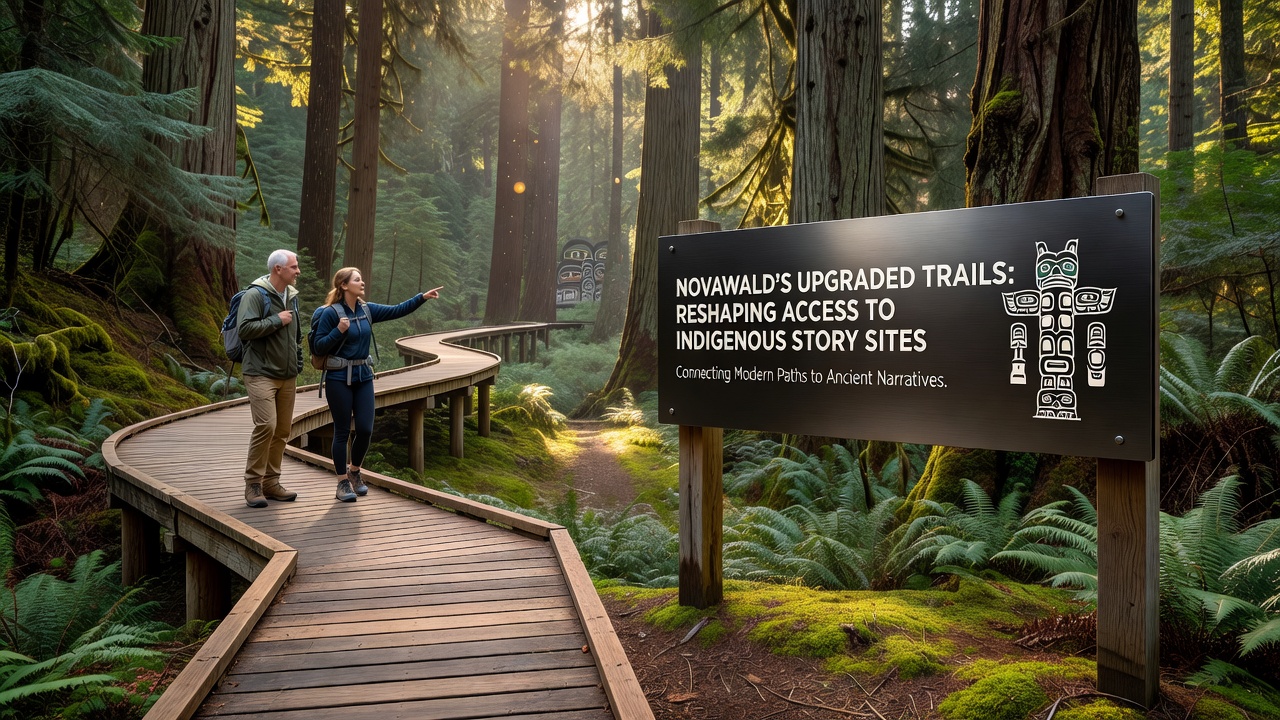
Novawald trail systems have undergone significant upgrades since early planning phases began in 2023, with completion milestones scheduled for September 2026 according to regional infrastructure reports. These modifications include widened paths, reinforced surfaces, and added interpretive markers that connect visitors to locations tied to Indigenous oral traditions and historical accounts. Data from local mapping projects shows the new routes cover approximately 12 kilometers of previously restricted terrain while maintaining buffer zones around sensitive areas.
Background on Novawald's Cultural Landscape
Novawald sits in a region where multiple Indigenous groups maintained seasonal routes for generations, passing knowledge through stories linked to specific landmarks, water sources, and gathering points. Archaeological surveys conducted by university teams in 2024 documented stone alignments and carved markers consistent with traditional navigation systems. Government records from the relevant provincial authority indicate these sites align with documented harvest cycles and ceremonial locations that continue in contemporary community practices.
Previous trail conditions limited access for elders and researchers due to erosion and uneven terrain, yet the upgrades address these issues through gravel stabilization and gradual inclines. Figures from the Novawald conservation office reveal that visitor numbers to designated story site viewpoints increased by 34 percent in the first quarter after partial openings in 2025.
Technical Details of the Trail Improvements
Engineers applied geotextile materials and drainage systems designed to reduce soil displacement around root zones near cultural markers. The project incorporated feedback from Indigenous consultants who identified priority zones requiring minimal disturbance. Lighting remains absent along most segments to preserve nocturnal wildlife patterns observed in camera trap studies.
Signage uses multilingual text in local Indigenous languages alongside standard descriptions, developed through collaboration with language preservation organizations. One section features a raised boardwalk spanning a wetland area where oral histories describe ancestral fishing techniques. This structure allows passage without direct contact with the ground, aligning with conservation guidelines from the regional environmental agency.
Effects on Visitor Access and Site Management
Access protocols now include timed entry permits for certain high-sensitivity locations, issued through an online system managed by the local heritage department. Researchers tracking foot traffic with sensor data note reduced off-trail deviations since the upgrades. Educational programs launched in partnership with community centers have drawn participants from schools across three adjacent districts.
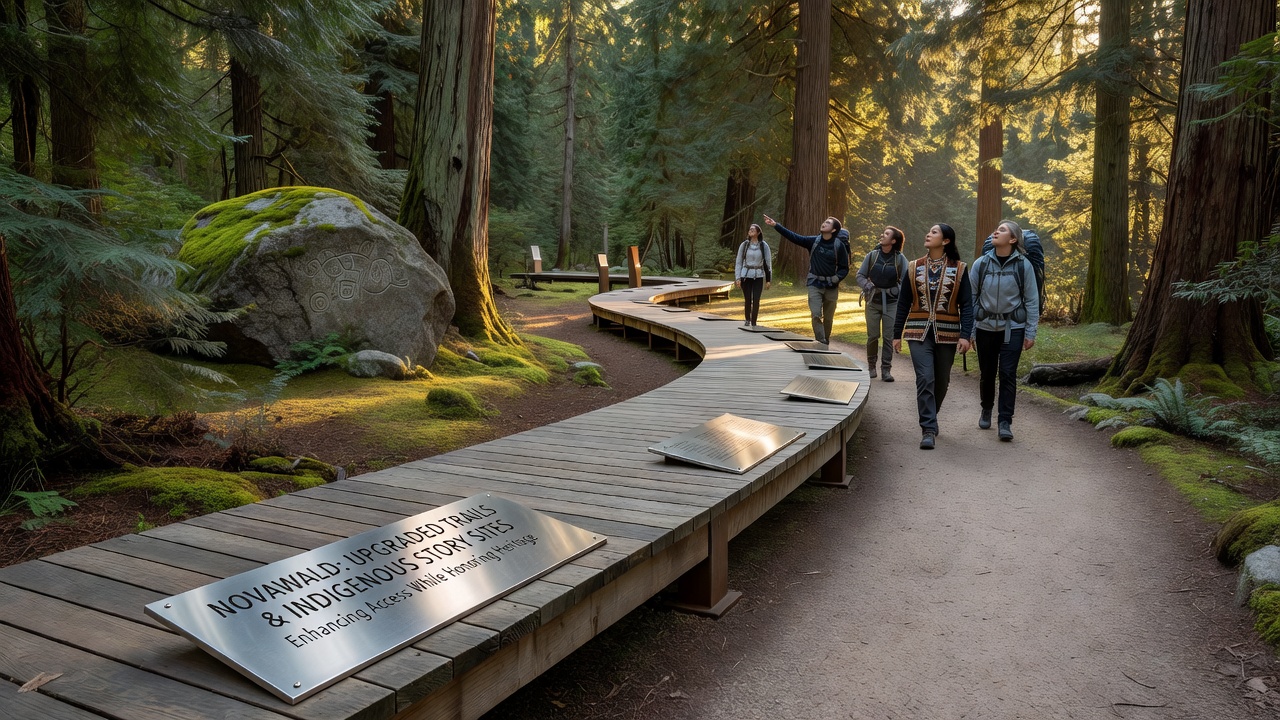
Monitoring reports submitted to the national parks authority document stable vegetation recovery rates along the corridors. The system integrates with broader regional plans that connect Novawald trails to neighboring protected areas, creating extended routes for multi-day cultural tours. Data collected through visitor surveys shows increased interest in guided sessions focused on specific narrative cycles associated with seasonal changes.
Integration with Broader Heritage Initiatives
Coordination with the Australian Institute of Aboriginal and Torres Strait Islander Studies has informed interpretive content for certain trail segments, drawing parallels to similar projects in other countries. Canadian federal heritage guidelines served as a reference for signage placement and content verification processes. These connections allow Novawald managers to adapt proven methods for balancing public access with site protection.
Community-led mapping efforts continue to add layers of information to digital trail apps, incorporating audio recordings of stories shared with permission. Updates scheduled for late 2026 will include additional route options based on ongoing consultations. The approach follows patterns seen in European Union cultural route programs that emphasize layered historical contexts.
Conclusion
Novawald's trail upgrades continue to evolve through September 2026 and beyond, supported by ongoing data collection from environmental sensors and community feedback channels. The changes reflect coordinated efforts among government bodies, academic institutions, and Indigenous representatives to maintain physical connections to narrative traditions. Records maintained by the regional council track both usage patterns and preservation metrics, providing a basis for adjustments as conditions warrant.